

The text below has been translated by Human Rights in China from the original Chinese article written by Zhou Yiran and published by China Spring. Please click here to read the original piece.
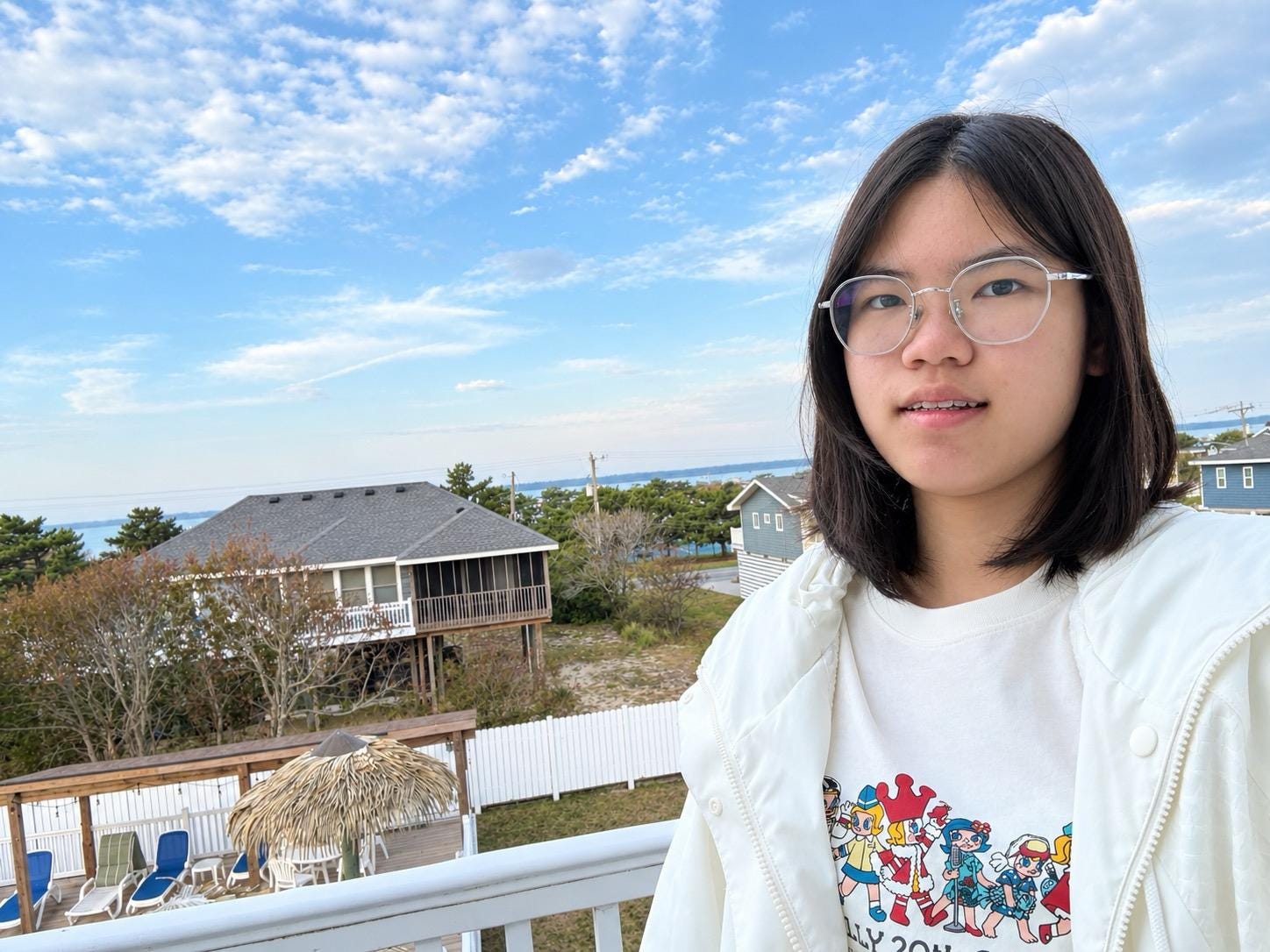
Author: Zhou Yiran
China Observer
I am Zhou Yiran, the daughter of Zhou Shifeng, former director of Beijing Fengrui Law Firm.
In 2015, China experienced what is now widely known as the “709 Crackdown.” My father, Zhou Shifeng, was one of the human rights lawyers criminally prosecuted during these events. He was sentenced to seven years in prison and was not released until September 24, 2022.
I write these words not only because he is my father, but also because this political persecution that occurred during my childhood changed my family and profoundly influenced my upbringing.
I hope that Chinese society and the international community can unflinchingly face the events of the 709 Crackdown, promote the correction of related wrongful convictions, hold those responsible for illegal and rights-infringing acts accountable, and ensure that the basic rights and dignity of every individual are respected.
I demand that the current Chinese leadership immediately and unconditionally rectify the erroneous verdicts against human rights lawyers and citizens during the 709 Crackdown, declare them innocent according to law, and hold those responsible for all illegal acts accountable as confirmed through investigation.
I. My childhood, a forced separation from my father
When the 709 Crackdown occurred in 2015, I was only five years old. In September 2022, when my father returned home after serving his sentence, I was twelve and a half years old.
These seven years should have been a time for a child to be pampered by their father’s side, to grow, and to gradually learn about the world. I should have had more opportunities to tell my father about school, ask him questions, and receive his companionship when I encountered difficulties. But these ordinary and precious moments have instead become an irreparable loss.
On July 9, 2015, late at night, my father had still not returned home. I remember calling him several times to ask when he would be back. The first time, he said, “I’m not coming home today.” A little while later, I called again to ask if he was almost home. He told me he would be back the next morning. I still wasn’t satisfied, and so I called again. I was just a little girl waiting for my dad to come home, repeatedly confirming if he was almost there. In the end, I could only helplessly say, “Okay.”
I didn’t know then that it might be the last time in my childhood that I would wait normally for my father to come home.
The next morning, my father was taken away by three plainclothes officers. According to my father’s later account, they didn’t show any identification or give any reason.
It is hard for a child to understand why the father who she spoke to on the phone the day before suddenly disappeared, and remained gone for over seven years. I gradually came to understand that this wasn’t just family separation, but also long-term damage left on a child by political persecution.
II. My mother single-handedly supported the family, until she left me forever
After my father’s arrest, my mother took on sole responsibility of caring for me.
My mother was already in poor health. After my father’s arrest, her condition worsened, and she was hospitalized multiple times. Even though she was disabled and had difficulty moving, she still insisted on cooking for me and taking me to and from school. Many times, my mother would get up before dawn to prepare breakfast for me, only to collapse heavily to the ground due to exhaustion. I was too young then to understand the immense pain she endured. I only knew that she was trying her best to take care of me.
More than seven years later, my father finally returned home. My mother once wrote him a message on her phone:
“You’ve been gone for seven years, and I haven’t died.”
Every time I think of those words, I feel unbearable pain.
At the end of 2023, my mother was hospitalized again for emergency treatment. On July 3, 2024, she left me forever.
Later, I learned that when the 709 Crackdown occurred, my mother’s pacemaker was already due for a battery replacement. However, due to my father’s arrest and sentencing, and our family’s prolonged period of extreme hardship, this matter was not addressed in a timely manner.
I have always felt pain and regret about this. I cannot change the fact that my mother is gone, nor can I be certain how many more years she would have been with me if none of this had happened. But I know that if my father hadn’t been arrested, our family would at least have had the opportunity to face the difficulties together, instead of my mother bearing so much alone.
When my mother passed away, I not only lost my mother, I also forever lost the family time we might have had.
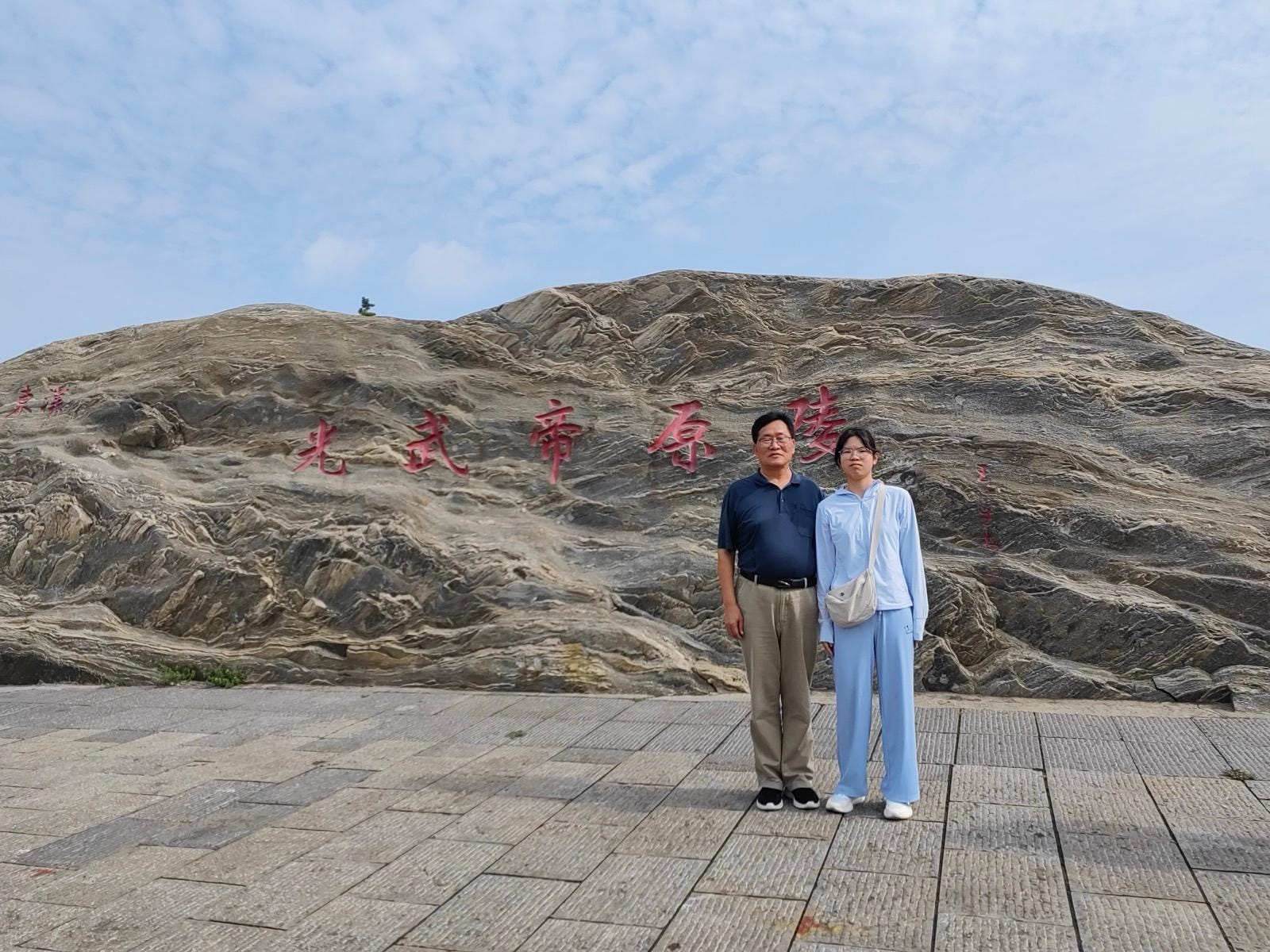
I don’t want to attribute the loss of a loved one to a single reason. But I cannot avoid the fact that the damage caused by political persecution does not just end with that person’s release from prison. It may continue to affect a family, even leaving irreparable consequences.
III. My father returned, but over seven years of separation could not be erased
After my father’s release, he tried his best to take care of me. I was grateful to him, and I knew he loved me very much.
Later, I heard my father and family talk about how much he doted on me when I was little, and how attached I was to him. But more than seven years of separation cannot be completely made up for with just a simple “you’re back.”
When my father returned to my life, I was no longer the five-year-old child who longed for his return every day. I had grown up, started having my own thoughts, and experienced many moments when my father couldn’t be there for me. We have to get to know each other again and rebuild our closeness. This feeling is difficult to explain in a few words. My father is right beside me, yet some intimacy that should have formed naturally needs to be rebuilt.
I believe this is a kind of damage caused by the 709 Crackdown that is easily overlooked. When people talk about political persecution, they often focus on how many years the detainees were sentenced to, what treatment they received, and what jobs they lost, but they neglect to account for their children’s loss of companionship, the forced severing of family bonds, and the life a family must rebuild after years of separation.
For me, these are all things that really happened.
IV. I want to know, what crime did my father commit?
My father wrote to me many times while in prison, but as far as I know, many of these letters were confiscated.
On the eve of Children’s Day in 2019, my father negotiated with the relevant authorities regarding a phone call to me. After that, my father told me, although other inmates were allowed to speak with their families according to regulations, my father was only allowed to make two phone calls in his nearly six years in prison.
For a child who hasn’t seen their father for so long, one phone call or one letter is an incredibly precious thing.
I have always wanted to ask: What Chinese law did my father violate? Why did he have to endure such treatment?
My father has described to me his arrest, interrogation, prosecution, and sentencing. He told me that when he was taken away, he didn’t see any legal documents nor was he given a clear reason. During the subsequent investigation, he suffered prolonged forced immobilization and restrictions on his right to legal representation, among other unjust treatment. According to the materials my father provided, he also alleged that certain authorities forged or altered some legal documents, tampered with important audio evidence, and violated his litigation rights during the trial. These allegations involve serious legal issues and should be verified by an independent and impartial investigation.
I was not one of the investigators in the case at the time, nor did I personally witness every detail of my father’s detention. As his daughter, I witnessed my father’s arrest and personally experienced the changes in our family life over the next seven years. I have every reason to demand that the relevant authorities thoroughly examine the evidence and appeals my father submitted, instead of leaving these questions unanswered.
My father also told me that during the case proceedings, certain officials conveyed to him the message that the law cannot truly limit their power to arrest whomever they wish. If this is true, then the issue is not merely my father’s personal experience, but whether any ordinary person can receive legal protection. The law should not deprive a person of protection because of their profession, viewpoint, or expressed opinions. Whether anyone is guilty or not should be determined based on facts and the law, through a fair judicial process.
V. What I know about the 709 Crackdown should not be forgotten
After my father’s arrest, I gradually learned that he was not the only one facing criminal prosecution. The Beijing Fengrui Law Firm was impacted, and many human rights lawyers, citizens, and activists were arrested, prosecuted, or sentenced. Many families have suffered separation, fear, and hardship similar to ours.
My father also told me about what he believed was improper interference in his case and showed me his long-preserved complaint materials. In these materials, my father alleged that Sun Lijun, then a leader in the Ministry of Public Security, and Meng Jianzhu, then Secretary of the Central Political and Legal Affairs Commission, exerted undue influence on the handling of the case. He also made specific accusations against relevant personnel in Tianjin, including prosecutors and judicial officers.
These accusations involving specific individuals should be investigated according to evidence and the law, and cannot be based solely on the statements of any one party to replace a formal investigation and finding. Equally important, however, the relevant authorities cannot refuse to investigate or allow the case to remain unresolved for a long time simply because the accused holds an important position.
After his release from prison, my father did not stop appealing and filing complaints. He compiled materials, reported the situation to relevant authorities, and also spoke to the international community about the 709 Crackdown.
To my knowledge, he submitted appeal materials to relevant authorities but encountered obstacles in seeking judicial relief. He also filed a complaint and lawsuit regarding the permanent ban of his WeChat account, hoping to resolve the issue through legal means. My father believes that the ban on his WeChat account is related to his continued exposure of the 709 Crackdown. The relevant parties should provide an explanation of the pertinent reasons and responsibilities based on the facts.
These incidents have also affected my life. Once, my school notified parents to pick up their children after school via a group chat. Because my father couldn’t receive the information, I waited alone outside the school on a cold winter night. Another time, the school notified parents to pay the fee for the high school entrance exam physical education test. My father was again delayed because he couldn’t receive the notification in time. Similar incidents have occurred multiple times.
For adults, a blocked social media account might just be a minor inconvenience. But for a minor, when parents can’t receive school notifications, the impact extends to their most mundane and ordinary daily lives.
In mid-September 2026, my mother’s original mobile phone number, which I was using, was again restricted from two-way communication. The reason given was involvement in telecommunications fraud. I do not understand the specific basis for this action and hope that the relevant authorities can explain the facts and handle this matter according to the law.
I do not ask anyone to give me special treatment because of my family background. I only hope that I can study normally, contact my family, and receive fair treatment when I encounter problems, just like other ordinary citizens.
VI. I do not seek special treatment, but justice.
For years, my father has been appealing his case.
I know this path is not easy.
But I also believe that a person’s release from prison does not mean all issues in the case have been resolved; a family’s rebuilding does not mean the previous harm has automatically disappeared. If the judgment is erroneous, it should be corrected according to law.
If the investigators used torture to extract confessions, fabricated evidence, illegally restricted personal freedom, or committed other illegal acts, they should be investigated according to law, and those responsible should be held accountable based on the investigation results.
If certain personnel abused their power to interfere with the judiciary, the facts should be investigated, and they should not be exempt from investigation simply because they once held powerful positions.
I hope the relevant authorities will conduct a public and thorough review of the cases related to the 709 Crackdown, handle the appeals according to law, and explain the results to the parties involved and their families.
I also hope that other lawyers, citizens, and their families who were affected by the 709 Crackdown will receive fair treatment.
I put forward these demands not because I believe my father will never make mistakes, nor because I want anyone to be convicted without investigation.
What I ask is this: every case should be handled based on facts and the law; every serious charge of wrongdoing should be thoroughly investigated; and everyone who has been treated unjustly should have the opportunity to obtain redress through a fair process.
This is the true meaning of the law.
VII. My Appeal
I am a daughter who lost her father’s companionship for over seven years during the 709 Crackdown, and who later lost her mother.
I cannot relive my childhood, nor can I bring my mother back to my side.
However, I hope that my experience can help more people see that the 709 Crackdown was not just a case of a group of lawyers and citizens who were arrested and sentenced. It also changed the fate of many families, affected the growth of many children, and left indelible scars on the hearts of some.
I solemnly appeal:
First, I demand that the current ruling party in China acknowledge and admit the 709 Crackdown, immediately and unconditionally push for the correction of the relevant erroneous judgments, and declare the lawyers and citizens who should be declared innocent in accordance with the law, restoring their due rights and dignity.
Second, I demand that the relevant authorities conduct a lawful, independent, and impartial investigation into the serious allegations of illegal arrests, torture to extract confessions, fabrication of evidence, and interference with the judiciary in the “709” cases. Those found guilty of illegal and criminal acts should be held accountable according to law, without discrimination based on the position or status of those involved.
Third, I demand that relevant judicial organs accept and review the appeals of the parties involved according to law, respond to relevant legal questions openly and transparently, and ensure that the affected parties and their families receive truthful and clear answers.
Fourth, I call on the international community, human rights organizations, the legal profession, and the media to continue to pay attention to the 709 Crackdown, to help preserve and verify relevant evidence, and to continue pushing for fair handling of cases to prevent similar incidents from happening again.
I hope that one day, when people talk about the 709 Crackdown, they will not only remember those who were taken away, the verdicts, and the suffering of those families, but also see society’s commitment to justice and the possibility of correcting wrongdoing.
I do not want any child to experience what I went through.
I also do not want any family to be forced to endure long-term separation and irreparable harm simply because a loved one upholds their legal beliefs.
I am still young, but I know that some things cannot be erased simply because time has passed.
What I demand is not sympathy, but justice; not special treatment, but equality before the law; not retaliation against anyone, but that the facts be ascertained, that responsibility be investigated, and that wrongs be corrected.
The 709 Crackdown must not be forgotten, those who were harmed must not be forgotten, and justice must not be forgotten.
Zhou Yiran
October 23, 2026
Note: This article contains sections concerning the specific handling process of my father’s case, the actions of certain personnel, and judicial procedures. It is primarily based on the oral account of my father, Zhou Shifeng, the complaint documents which he provided, and other publicly available materials related to the 709 Crackdown. All accusations should be based on original materials, official documents, and the result of lawful investigations.
[This article was first published in China Spring. Please credit the source when reprinting.
Author: Zhou Yiran]